

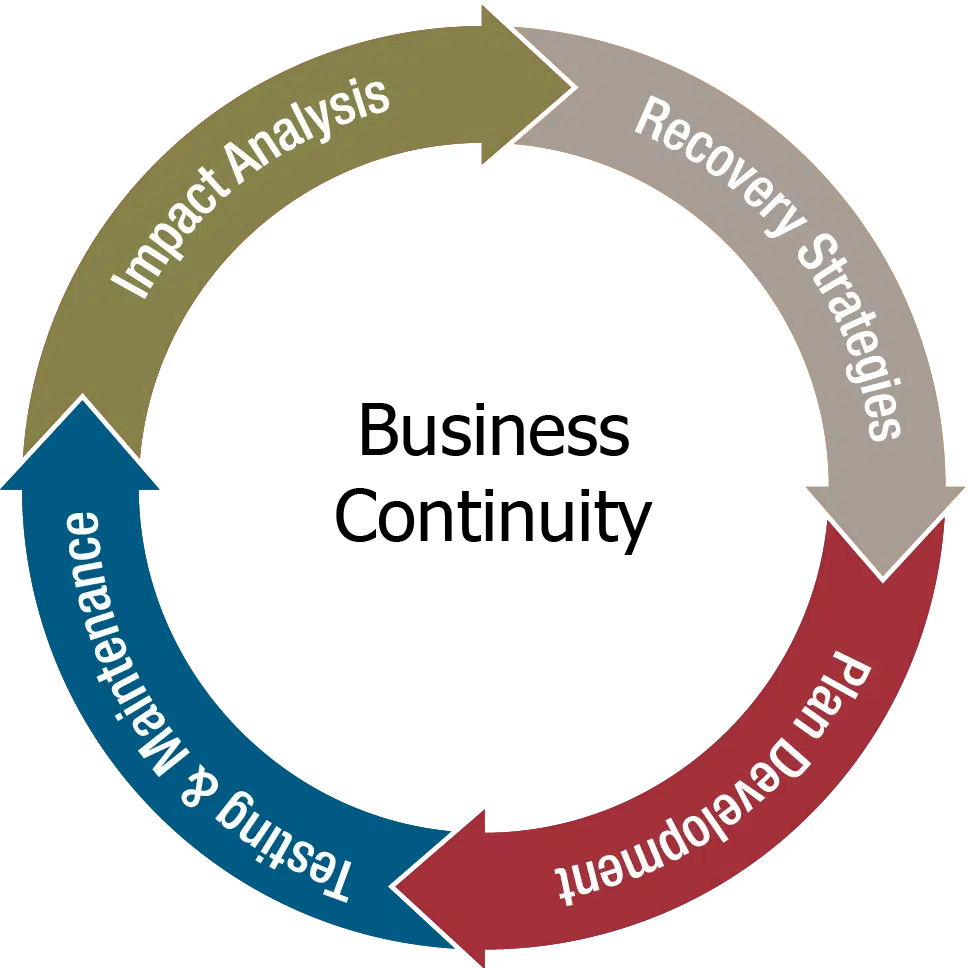
Business Continuity Planning and MAS Compliance in Singapore: A Comprehensive Guide
Dynamic business landscape of Singapore, organizations face various challenges that necessitate the implementation of robust Business Continuity Management (BCM) and compliance measures. This guide explores the key elements of a Business Continuity Plan (BCP), MAS audit, MAS Annual Compliance, and the importance of compliance training to ensure a seamless and compliant business operation in Singapore.
1. Who Should Be Involved in Business Continuity Planning (BCP)?
Business Continuity Planning is a collaborative effort that involves key stakeholders across an organization. These include:
1.1. Top Management:
– Setting the tone for BCM and ensuring commitment.
– Allocating resources for the development and maintenance of the BCP.
1.2. Risk Management Team:
– Identifying potential risks and assessing their impact on business operations.
– Formulating strategies to mitigate and manage risks.
1.3. IT Department:
– Ensuring the resilience of IT systems and data.
– Implementing data backup and recovery measures.
1.4. Human Resources:
– Addressing workforce-related continuity issues.
– Developing plans for employee communication and welfare.
1.5. Operations Team:
– Maintaining critical business functions during disruptions.
– Establishing alternate work locations if needed.
2. BCM MAS Audit:
2.1. MAS (Monetary Authority of Singapore) Guidelines:
– Adhering to MAS guidelines on business continuity for financial institutions.
– Conducting regular audits to assess compliance.
2.2. Internal Audit Teams:
– Evaluating the effectiveness of BCM measures.
– Identifying areas for improvement and recommending corrective actions.
2.3. External Auditors:
– Providing an independent assessment of BCM practices.
– Ensuring alignment with MAS regulatory requirements.
3. MAS Annual Compliance:
3.1. Compliance Officers:
– Ensuring ongoing compliance with MAS regulations.
– Conducting regular reviews and assessments.
3.2. Legal Department:
– Interpreting and communicating legal requirements.
– Advising on potential legal implications of non-compliance.
4. MAS Compliance Training:
4.1. Training Managers:
– Designing and delivering compliance training programs.
– Keeping employees informed about regulatory changes.
4.2. Employees:
– Participating in regular compliance training sessions.
– Understanding their role in maintaining compliance.
5. Compliance Training:
5.1. Training Providers:
– Offering specialized compliance training programs.
– Customizing training content to meet specific industry requirements.
5.2. Regulatory Authorities:
– Setting standards for compliance training.
– Ensuring that organizations implement effective training programs.
6. RT Compliance in Singapore:
6.1. Regulatory Technology (RT) Providers:
– Offering innovative solutions for automated compliance monitoring.
– Enhancing efficiency and accuracy in compliance processes.
6.2. Government Agencies:
– Encouraging the adoption of RT tools for regulatory compliance.
– Providing incentives for organizations embracing technology in compliance.
Conclusion:
In conclusion, a comprehensive approach to Business Continuity Planning, MAS compliance, and regular training is essential for organizations operating in Singapore. Engaging key stakeholders, conducting BCP audit, and leveraging technology contribute to building a resilient and compliant business environment, ultimately ensuring the continuity of operations and meeting regulatory standards in this dynamic market.
Frequently Asked Questions
Q1. What is Business Continuity Planning (BCP), and why is it important in Singapore?
Business valuation in Australia is a process of estimating the economic value of a business, ownership interest or a particular asset. It is important because it forms the basis of key business decisions such as purchasing, selling, raising funds and solving conflicts, which gives it a fair and objective basis that everyone can depend on.
Q2. What is the relationship between Business Continuity Planning and MAS compliance?
Financial institutions regulated by the Monetary Authority of Singapore (MAS) are expected to maintain effective business continuity measures. A well-developed BCP helps organisations meet MAS compliance requirements and improve operational resilience.
Q3. What is included in a MAS Compliance Audit?
A Singapore MAS Compliance Audit typically reviews an organisation’s compliance framework, internal controls, risk management processes, regulatory reporting, and adherence to applicable MAS regulations.
Q4. Why is compliance training important for businesses in Singapore?
Compliance training helps employees understand regulatory obligations, company policies, and industry requirements. Regular training reduces compliance risks and supports a strong culture of governance and accountability.
Q5. How can RT Compliance help with Business Continuity Planning and MAS compliance?
RT Compliance provides Business Continuity Planning, MAS compliance advisory, compliance audits, risk assessments, and compliance training services to help businesses strengthen their compliance framework and meet Singapore’s regulatory requirements.