

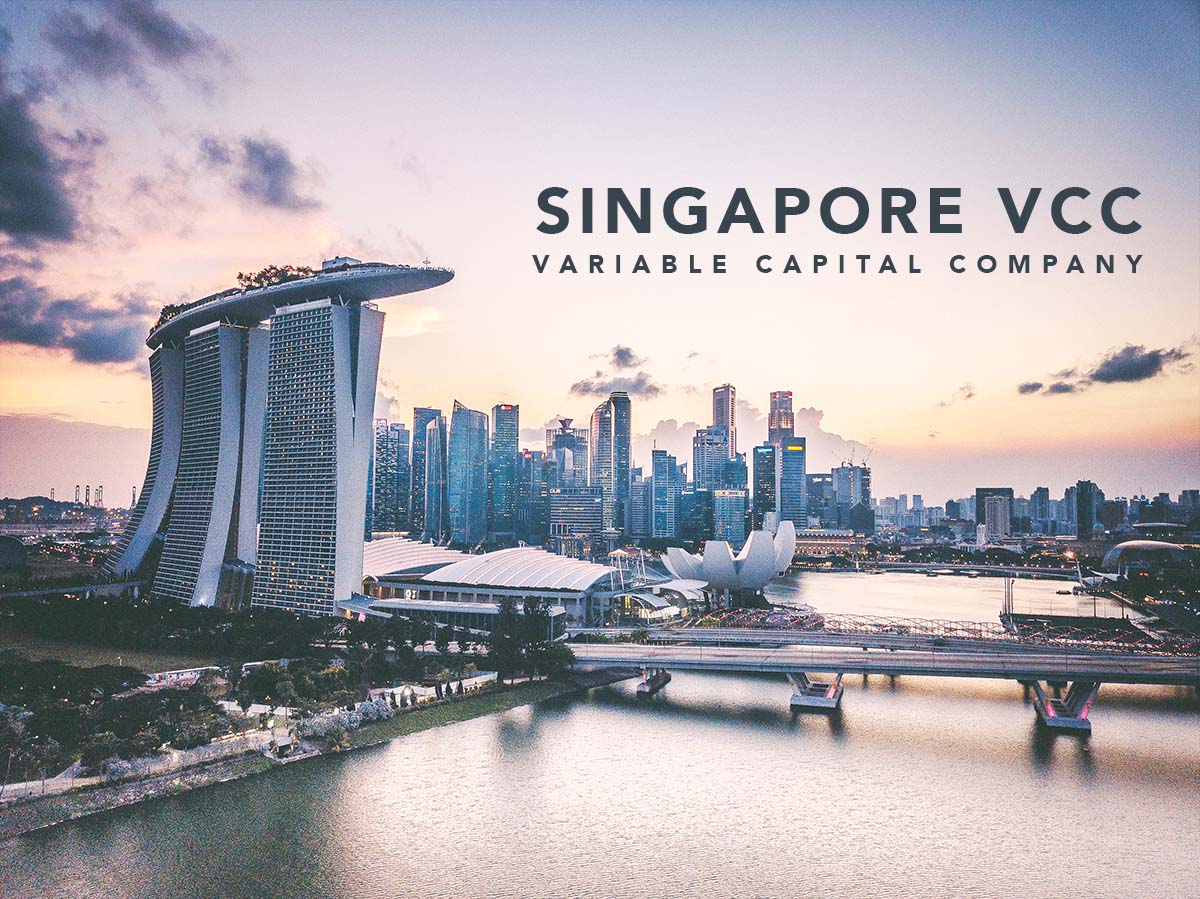
The Monetary Authority of Singapore has announced a new corporate structure for businesses – the Variable Capital Company (VCC). This is a significant development as it will provide more flexibility for businesses regarding how they can raise capital and invest in their growth. MAS has said that the VCC structure will benefit venture capital, private equity firms, and other investment funds. The VCC will also be available to other types of companies, including tech startups. In this blog article, we will look at what VCC is and how it can benefit your business. We will also discuss some of the critical considerations you need to consider before switching to this new corporate structure.
What is the Variable Capital Company
A Variable Capital Company is a new corporate entity introduced in Singapore through the Variable Capital Companies Act 2018. A VCC can be established as a public or private company and must have a minimum of $50,000 in paid-up capital.
A VCC is similar to a traditional company except that it has a variable capital structure, which means that the amount of paid-up capital can be fluctuate from time to time. This makes the VCC more flexible than a traditional company regarding fundraising.
The key features of a VCC are:
- A VCC can have one or more classes of shares with different rights and privileges attached to each class;
- A VCC can raise funds through the issuance of new shares, convertible notes, bonds, and other debt instruments;
- A VCC can invest in any asset class, including listed and unlisted securities, derivatives, real estate, and private equity;
- A VCC is not subject to the same restrictions on shareholdings as a traditional company, and
- A VCC can be wound up voluntarily by its shareholders.
What Are the Requirements of a establishing or setting up an Variable Capital Company
A Variable Capital Company (VCC) is a new type of corporate vehicle introduced in Singapore through the Variable Capital Companies Act 2018, which came into effect on 31 January 2019.
A VCC may be established as private company limited by shares or a public company limited by shares. A VCC must have at least one or more shareholder and one director, who may be the same person. The directors of a VCC must be natural persons aged 18 years or older and must not be undischarged bankrupt.
A VCC must have a constitution that:
– states that the company is a VCC;
– sets out the authorized capital of the company and how it may be varied; and
– provides for how the company’s property will be distributed on its winding up.
The authorized capital of a VCC may be divided into two classes of shares: Class A ordinary shares and Class B preference shares. The authorized capital can be increased or decreased by a special resolution of shareholders.
What is the Tax Regulation or Treatment of a Variable Capital Company
A Variable Capital Company (VCC) in Singapore is a new corporate entity introduced in the Companies (Amendment) Act 2017, which came into effect on 3 January 2018. VCCs are similar to open-ended investment companies in other jurisdictions.
Under the current tax regime, a VCC is treated as a company used for tax purposes and is subject to corporate tax at the prevailing corporate tax rate. Dividends paid by a VCC to its shareholders are exempt from personal income tax.
What Are some of the Advantages of Variable Capital Companies?
There are many advantages to establishing a Variable Capital Company (VCC) in Singapore. A VCC is a type of collective investment scheme that allows investors to change the amount of capital thats already been invested in the company over time. This flexibility makes it an attractive option for investors who want to take advantages of market opportunities as they arise.
Some of the other advantages of VCCs include the following:
– Reduced administrative burden: VCCs are exempt from specific filing requirements, such as filing an annual return. This can save time and money for both the company and its shareholders.
– Enhanced liquidity: VCCs are not subject to cooling-off periods or withdrawal limits, so investors can more easily access their funds if needed.
– Greater flexibility: VCCs offer shareholders more control over how their money is invested. For example, shareholders can increase or decrease their investment amount at anytime without going through a lengthy process or incurring additional fees.
If you’re considering setting up a Singapore company, a VCC could be the right choice for you. Talk to a professional incorporation service provider today to learn more about this structure and whether it would suit your business needs.
Setting Up or Establishing a Variable Capital Company in Singapore
A Variable Capital Company (VCC) is a new fund vehicle introduced in Singapore under the amended Securities and Futures Act. VCCs are established as companies limited by shares and can be either open-ended or close-ended.
Unlike traditional investment funds, which are typically structured as trusts, VCCs are subject to corporate governance rules under the Companies Act. This helps to provide greater transparency and accountability to investors.
VCCs offer flexibility in terms of how they can be structured and operated. For example, a VCC can choose a segregated portfolio strategy whereby each investor has a separate account within the VCC, or it could opt for a commingled structure where all investors’ assets are pooled together.
Investors in a VCC can also choose how they want to receive distributions from the fund, such as through income payments, capital gains, or a combination of both.
To set up a VCC in Singapore, you will need to appoint a director who is a Singapore resident or nationality and maintain a registered office here. You need to submit an application to the (MAS) for approval.
If you are looking for more details and information on setting up a VCC in Singapore, please get in touch with us; we would be happy to assist you further.
What Should Investors Consider Before Investing in a Variable Capital Company?
Before investing in a Variable Capital Company (VCC), potential investors should consider a few key factors. Firstly, they should assess the VCC’s investment strategy and objectives to see if they align with their investment goals. Secondly, they should evaluate the VCC’s track record and performance to understand its past success. Finally, they should consider the fees charged by the VCC and compare them with other similar investment products.
Frequently Asked Questions
Q1. What is a Variable Capital Company (VCC) in Singapore?
A Variable Capital Company (VCC) is a corporate structure designed for investment funds in Singapore. It offers flexible capital management, supports multiple sub-funds under a single entity, and is commonly used by fund managers, private equity, and venture capital firms.
Q2. Who can establish a VCC in Singapore?
Fund managers licensed or regulated by the Monetary Authority of Singapore (MAS), including eligible financial institutions and licensed fund management companies, can establish and manage a VCC subject to regulatory requirements.
Q3. What are the benefits of a Variable Capital Company?
A VCC provides flexible capital issuance and redemption, efficient fund administration, segregated sub-fund structures, tax incentives (subject to eligibility), and an investment vehicle designed specifically for fund management.
Q4. What are the requirements to set up a VCC?
A VCC must be incorporated in Singapore, appoint a Singapore-based director, engage a licensed or regulated fund manager, maintain a registered office, and comply with the Variable Capital Companies Act and applicable MAS regulations.
Q5. How can RT Compliance assist with VCC incorporation and compliance?
RT Compliance supports clients with VCC incorporation, regulatory advisory, fund structuring, MAS licensing guidance, compliance framework development, and ongoing regulatory compliance to help investment funds operate efficiently in Singapore.